

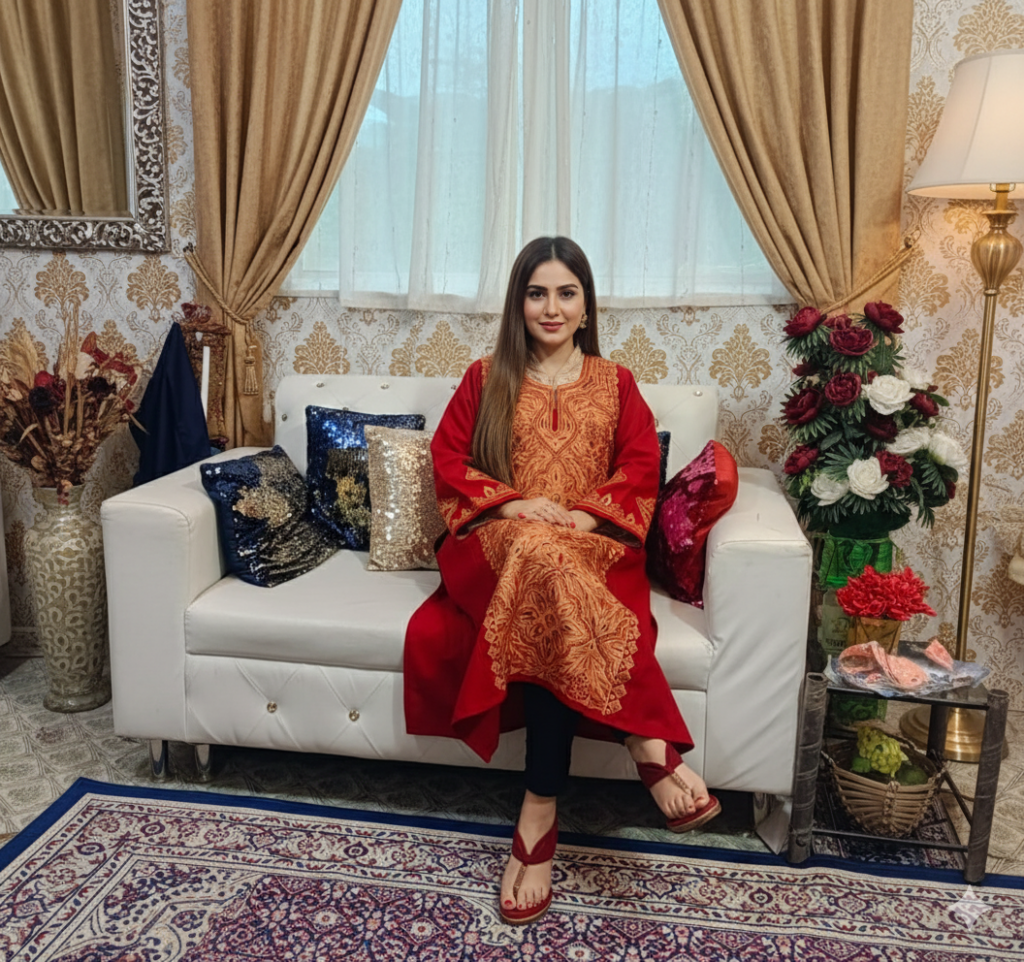
Kashmiri Pherans: Styling Traditional Elegance for the Modern Wardrobe
The world of fashion is engaged in a constant cycle of reinvention, yet some garments remain timeless, transcending fleeting trends to become permanent fixtures of elegance. The Kashmiri Pheran is one such masterpiece. For centuries, this traditional cloak has been the primary defense against the biting cold of the Himalayan winters, offering unparalleled warmth and comfort. Today, however, the Pheran has broken through its geographical boundaries. It has evolved from a regional necessity into a global fashion statement, celebrated on international runways and embraced by fashion enthusiasts who appreciate the intersection of heritage and modern style.
If you are looking to elevate your winter ethnic wear, understanding the history, craftsmanship, and versatility of the Pheran is essential. In this comprehensive guide, we will explore the rich legacy of this iconic garment, decode the magnificent hand-embroidery that adorns it, and provide you with actionable styling tips to seamlessly integrate traditional Kashmiri clothes into your modern, everyday wardrobe.
Section 1: The Anatomy and Rich History of the Pheran
To truly appreciate a Pheran, one must understand its origins and the cultural context from which it emerged. The word “Pheran” is believed to have roots in the Persian word ‘Pirahan’, meaning shirt or garment, or possibly the Greek word ‘Perola’, meaning apparel. Regardless of its etymological origins, the garment was introduced to the Kashmir Valley centuries ago, evolving significantly during the Mughal era to become the quintessential dress of the region.
The Functional Design
At its core, the traditional winter Pheran is a long, loose-fitting, cloak-like tunic that falls below the knees. Its most defining characteristic is its relaxed silhouette. This is not merely a stylistic choice; it is a brilliant functional design engineered for survival. The loose fit allows the wearer to comfortably hold a Kangri—a traditional Kashmiri fire pot woven from wicker and filled with smoldering charcoal—inside the garment. The Pheran traps the heat generated by the Kangri, creating a personal, mobile heating system that is vital during Chillai Kalan, the harshest forty-day period of the Kashmiri winter.
Differences in Design
Historically, the Pheran varied slightly depending on the wearer:
Men’s Pherans: Typically simpler in design, made of heavy tweed or plain wool, featuring broad collars and minimal to no embroidery. The focus here is strictly on utility and warmth.
Women’s Pherans: A canvas for artistic expression. Women’s Pherans are characterized by their intricate embroidery, slightly more flared silhouettes, and the use of luxurious fabrics like velvet, fine wool, and pure cashmere. They often feature broad, beautifully embroidered borders along the hem, cuffs, and neckline.
While the fundamental architecture of the Pheran has remained the same for centuries, contemporary designers and traditional artisans have collaborated to refine the cut, making it more tailored and accessible for the modern global consumer.
Section 2: The Magic of the Embroidery – A Tale of Threads
What truly separates a standard woolen tunic from a luxurious Kashmiri Pheran is the painstaking, hand-crafted embroidery. The valley is home to some of the most skilled artisans in the world, and their needlework turns these garments into wearable art. When you buy a traditional Pheran online, the type of embroidery dictates not only the price but the occasion for which the garment is suited.
1. Tilla Work: The Royal Gold
If there is one style of embroidery that defines Kashmiri luxury, it is Tilla Dozi. Introduced to Kashmir from the village of Zari in Iran, Tilla work involves embroidering garments with imitation gold or silver threads.
The Process: The artisan first traces the design onto the fabric. Then, using a specialized needle, the metallic Tilla thread is laid flat on the surface of the fabric and stitched down with a very fine, invisible cotton or silk thread.
The Appeal: A Tilla embroidery Pheran is the epitome of royal elegance. The metallic threads catch the light beautifully, making it the preferred choice for brides, weddings, and high-end formal events. Over time, genuine Tilla oxidizes and takes on a stunning antique patina, ensuring that the Pheran ages like fine wine and can be passed down as a family heirloom.
2. Aari Work: The Bold and Beautiful
Aari embroidery is a form of crewel work that utilizes a specialized, hooked needle known as an Aar.
The Process: The artisan uses the hook to pull colored woolen or silk threads through the fabric, creating a series of continuous, concentric chain stitches.
The Appeal: Aari work is famous for its vibrant, bold, and highly textured floral and paisley (Ambi) motifs. Because the stitches are larger and thicker, Aari Pherans are visually striking and colorful, making them perfect for festive day-wear and semi-formal gatherings.
3. Sozni Work: The Delicate Whisper
Sozni is the most delicate and time-consuming of all Kashmiri embroideries.
The Process: Using an extremely fine needle and premium silk threads, the artisan creates microscopic, tightly packed stitches.
The Appeal: Sozni work is subtle, flat, and impeccably neat. It is often used on softer, premium fabrics like Pashmina or fine cashmere blends. A Sozni-embroidered Pheran is the perfect choice for someone who prefers understated, sophisticated luxury.
Section 3: How to Style a Pheran Today – A Modern Fashion Guide
The modern appeal of the Pheran lies in its incredible versatility. You do not need to be attending a traditional Kashmiri wedding to wear one. With a little styling ingenuity, a Pheran can easily replace your standard winter coats, cardigans, or blazers. Here is how you can style this winter ethnic wear for various modern occasions.
The Office and Corporate Look
Yes, you can wear a Pheran to the boardroom. The key is to choose a piece with a slightly more tailored fit and subtle embroidery.
The Garment: Opt for a mid-length, solid-colored Pheran (think charcoal grey, deep navy, or camel) featuring delicate Sozni embroidery exclusively around the neckline.
The Pairing: Layer it over a crisp, high-neck white blouse or a black turtleneck. Pair it with slim-fit tailored trousers or tailored cigarette pants.
The Accessories: Finish the look with a pair of sleek leather ankle boots and a structured leather tote bag. The result is a powerful, cultured, and incredibly chic corporate outfit.
The Casual Day Out
For a relaxed weekend brunch, a shopping trip, or a coffee date, the Pheran offers an effortless, bohemian vibe.
The Garment: Choose a brightly colored Aari-embroidered Pheran made of soft wool or a cotton-wool blend.
The Pairing: Treat the Pheran like an oversized sweater or tunic. Pair it with your favorite blue or black skinny denim jeans or thermal leggings.
The Accessories: Since the Pheran is loose, you can add structure by cinching it at the waist with a broad leather belt. Throw on a pair of comfortable suede loafers or knee-high boots, and accessorize with oxidized silver Jhumkas (earrings) for a perfect Indo-Western fusion look.
The Festive and Wedding Look
When the occasion demands absolute glamour, the Pheran stands ready to outshine standard lehengas and sarees, especially during winter weddings.
The Garment: This is where you bring out the heavy velvet Pheran adorned with dense, metallic Tilla embroidery along the neck, cuffs, and broad base border. Deep jewel tones like emerald green, maroon, midnight blue, or regal plum work best.
The Pairing: Pair the Pheran with wide-legged silk palazzos or a traditional embroidered Sharara.
The Accessories: Drape a pure Kashmiri Pashmina shawl gracefully over one shoulder. Accessorize heavily with traditional Kundan or antique silver jewelry, a neat bun, and a bold lip color. You will be the warmest and most stylish person in the room.
Section 4: Fabric Choices for the Right Season
While traditionally associated with the freezing winter months, the rising global demand has led artisans to adapt the Pheran for different climates and seasons. When you buy a Kashmiri Pheran online, pay close attention to the fabric to ensure it suits your local weather.
The Winter Wardrobe
For regions that experience genuine winter chills (temperatures below 15°C):
Makhmal (Velvet): The heaviest and most luxurious option. Velvet traps heat effectively and provides a stunning, glossy canvas for Tilla work.
Pure Wool & Tweed: The traditional choice. Extremely warm, highly durable, and perfect for everyday outdoor wear.
Cashmere Blends: Lighter in weight than tweed but exceptionally warm and soft against the skin, offering a premium, comfortable drape.
The Transitional and Summer Wardrobe
If you live in a milder climate or want to enjoy Kashmiri aesthetics during the spring and summer:
Cotton and Linen: Breathable, lightweight, and incredibly comfortable. Summer Pherans often feature bright, floral Aari work and are perfect for humid climates.
Georgette and Crepe: These fabrics offer a beautiful, flowing drape. They are often used for party-wear Pherans, layered over inner slips, providing an airy, elegant silhouette without the heavy thermal insulation.
Section 5: Curating Your Authentic Wardrobe at 3jar.com
The digital age has made it easier than ever to access the exquisite craftsmanship of the Kashmir Valley. However, it requires a discerning eye to find platforms that offer genuine, high-quality products rather than mass-produced imitations.
At 3jar.com, we are deeply committed to the digital commerce and promotion of authentic, traditional Kashmiri craftsmanship. Our catalog features an extensively curated collection of Pherans, ranging from everyday woolen tunics with vibrant Aari work to bridal-quality velvet cloaks dripping in golden Tilla embroidery. Every piece is photographed in high-fidelity studio settings, allowing you to zoom in and inspect the meticulous nature of the needlework before making your choice.
We understand that purchasing premium ethnic wear online requires trust and convenience. That is why our platform is designed to provide a seamless, secure, and highly professional shopping experience:
Secure Payments: Checkout with absolute confidence. We accept all major credit and debit cards, secure net banking, and offer seamless UPI payment options (Google Pay, PhonePe, Paytm) for instant processing.
Automated Invoicing: The moment your order is confirmed, a detailed digital tax invoice is automatically generated and sent directly to your email for your records.
Reliable Delivery: Your handcrafted garments are carefully packed and dispatched promptly. Standard delivery takes between 5 to 14 business days with full tracking visibility.
Transparent Shipping: We charge a flat, nominal delivery fee of ₹150. However, recognizing the value of your investment, shipping is completely free for all orders exceeding ₹5000—a threshold easily met when investing in premium embroidered Pherans.
